
Who Is Accountable When Anyone Can Build AI?
As building with AI gets easier, more people take consequential actions with it. Four questions to answer before you build or deploy anything with AI in it.
Essays on AI policy and ethics.
As building with AI gets easier, more people take consequential actions with it. Four questions to answer before you build or deploy anything with AI in it.

If AI saves us time, what are we doing with it? Ten open questions on delegation, consent, dependence and thinking for ourselves that I have not answered yet.
We are trying to govern a technology while our relationship with it is still being negotiated. Three questions on infrastructure, dependence and what counts as harm.
A person can remain formally in control of a decision while losing the ability or confidence to exercise independent judgment. What oversight rules should account for.
74% of participants in one study skipped a privacy policy, yet 97% agreed to it. Why a checkbox is not meaningful consent when AI systems use personal data.

The shuttle had flown 24 missions without incident, so it was approved to fly again. What the Challenger launch decision shows about governing AI after deployment.

Workers in 1924 changed their behaviour because they were being watched. Some AI systems now do the same, which raises hard questions for testing and oversight.
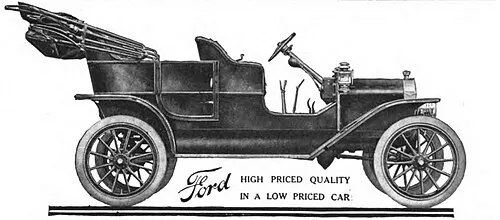
Ford made the knowledge of building a car abundant, and the advantage moved to judgment. The same shift is happening with AI, and it changes which skills matter.
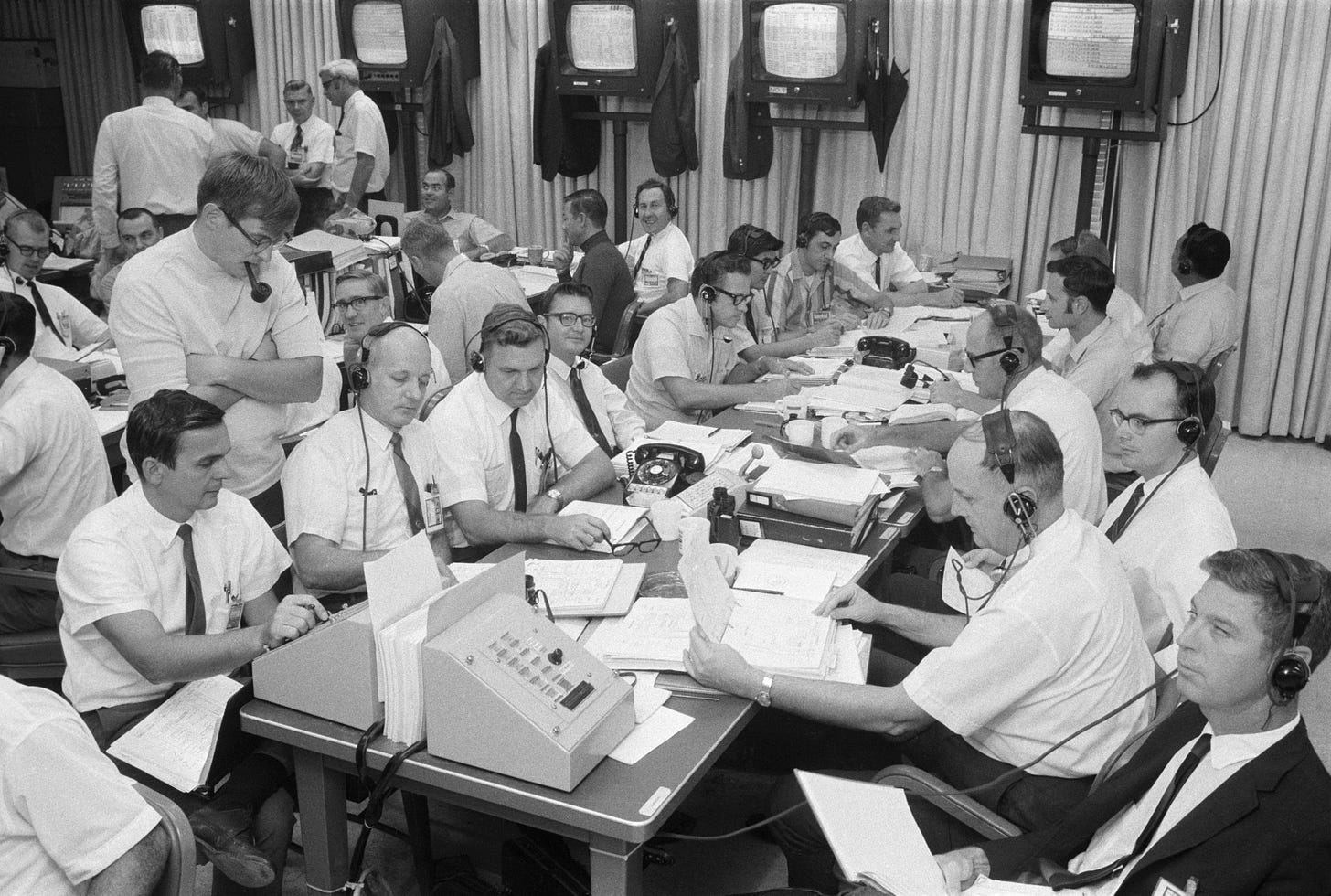
NASA engineers once worked every trajectory by hand. When machines took over, nobody called it a loss. What cognitive offloading means for people and for models.
AI inherits bias from our decisions and data, then amplifies it. Five tensions: privacy and personalisation, transparency, fairness, autonomy, and reliability.

The Habsburgs stayed in power through intermarriage until inbreeding depression caught up with them. Models trained on their own output face a similar decline.